Virtual models: the digital faces of modern advertising
Опубликовано: 05.01.2026
Five to seven years ago, the phrase virtual models https://sextalk.io/ sounded like something from a futuristic movie. Today it’s a working tool used by major brands, marketplaces, and agencies. Digital models appear in ads, “wear” fashion collections, become brand ambassadors—and they don’t run late, don’t get tired, and don’t demand extra fees for overtime.
Many businesses in Russia watch this trend with both interest and caution. On one hand: obvious savings and control. On the other: valid questions—can you trust it, how is it made, and will customers feel turned off? Let’s break it down step by step, without inflated promises.
What virtual models are—plain and simple
Virtual models are digital characters created with 3D graphics, AI tools, and computer modeling. They can look like real people: facial expressions, emotions, recognizable features, and even a “backstory” if the project needs it.
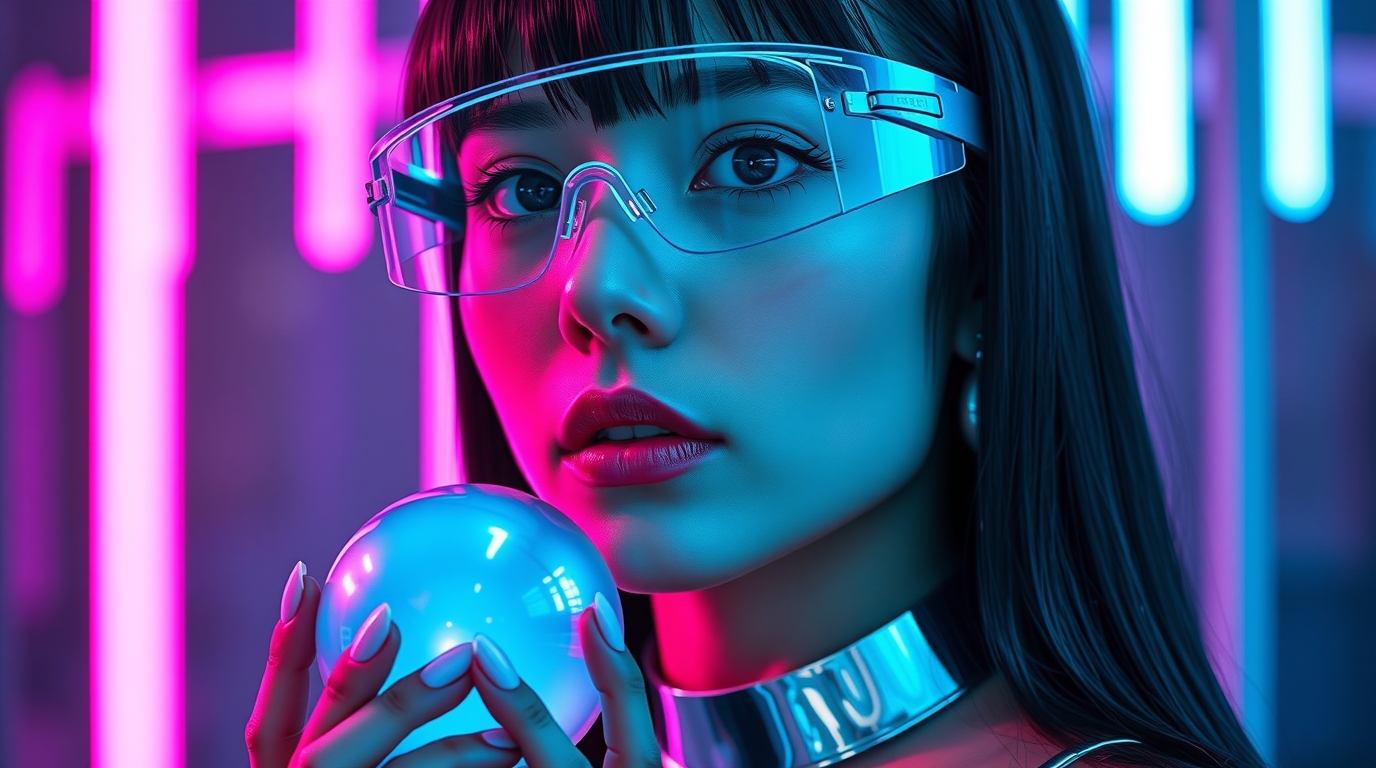


It’s important to clarify: these are not cartoon avatars. Modern virtual models can be so photorealistic that without a “digital” label, many viewers won’t tell them apart from a real person.
Why brands are switching to digital models at scale
The core pain for business is the cost and unpredictability of classic shoots. Real models mean schedules, agencies, logistics, visas, makeup artists, studio rentals. One failed shoot day can cost a small fortune.
Virtual models solve these problems systematically:
- they don’t get sick or disappear;
- they look consistent across campaigns;
- they can be adapted quickly for different markets;
- they “work” 24/7 with predictable costs.
For example, a fashion brand can “shoot” a new collection in a single day by swapping textures and poses on a digital model—instead of organizing multiple photo sessions.
How virtual models are created: a step-by-step process
Step 1. Concept and personality
Every virtual model starts not with graphics, but with an idea: age, appearance, style, character, target audience. A mistake here leads to a model that looks beautiful but doesn’t “speak” to the buyer.
Step 2. 3D modeling and textures
Artists build the base shape of the body and face, then refine skin, hair, and micro-details. This is where virtual models either become believable—or give away their digital origin.



Step 3. Animation and posing
Facial expressions, head turns, gestures—these are coded or animated manually. A good virtual model feels “alive” and looks natural even in a static frame.
Step 4. Content integration
The finished character is placed into banners, product cards, videos, or social media. Often viewers see the final content and don’t even realize the person is fully digital.
Real cases and practical examples
A typical situation: an online clothing store faces too many returns. Customers complain that the item “fits differently than in the photo.” The reason: different models, different lighting, different height and proportions.
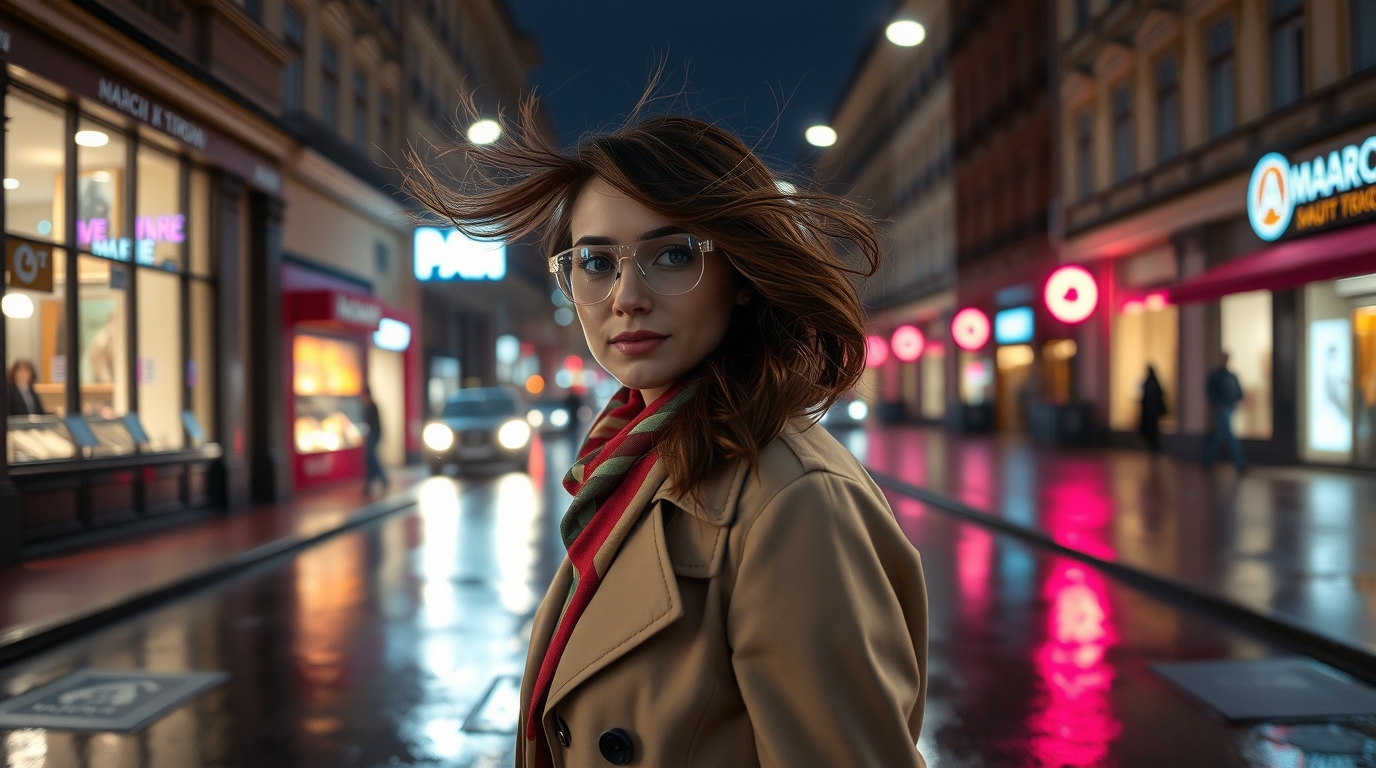
After switching to one virtual model with fixed parameters (height, measurements, posture), returns go down. Customers see consistent presentation and understand the fit better.
Another example is advertising campaigns. A brand runs ads across Russia, Europe, and Asia. With real models, that’s three separate shoots. With virtual models, it can be one production with local adaptation of styling and presentation.
Concerns and skepticism: what audiences worry about
The most common fear is “people won’t like a fake.” But practice shows: if a digital model is clearly labeled as virtual and doesn’t try to trick the viewer, backlash is usually minimal.



What performs worse is low-quality models with “plastic” skin and a blank stare. A simple rule applies: either do it well, or don’t do it at all.
The future of virtual models in Russia
The Russian market is only entering an active phase of using digital characters. For now it’s mostly big brands and tech-driven companies. But as the technology becomes cheaper, virtual models will become standard for mid-sized businesses too.
This isn’t a replacement for people—it’s a new tool. Much like Photoshop and video editing once were. Those who understand it early will build a serious competitive advantage tomorrow.